Do you ever stop and wonder how we as humans listen to music? It’s a fascinating process that we often take for granted. Music has the power to evoke emotions, memories, and even physical responses. It’s truly a universal language that connects us all.
When we listen to music, our brains are hard at work processing the sounds and rhythms. Different parts of our brain light up, creating a symphony of activity that allows us to experience the beauty of music. It’s a complex and intricate process that scientists are still trying to fully understand.

how do we listen to music
How Do We Listen to Music?
First, sound waves travel through the air and into our ears, where they are converted into electrical signals by our ear drums. These signals then travel to our brainstem, where they are processed and sent to various parts of the brain responsible for different aspects of music perception.
Our brains then analyze the pitch, tempo, and timbre of the music, allowing us to recognize melodies, rhythms, and harmonies. This information is then integrated with our emotions, memories, and cultural background, shaping our unique musical preferences and experiences.
Listening to music can have a profound impact on our mood, productivity, and overall well-being. It can lift our spirits, calm our nerves, or even transport us to another time and place. Whether you’re a casual listener or a die-hard music enthusiast, the power of music is undeniable.
So next time you press play on your favorite song, take a moment to appreciate the incredible journey that sound waves take through your ears and into your soul. Music truly is a gift that keeps on giving.

Music Productivity How Listening Can Make You More Productive

How Do People Listen To Music Today YouTube
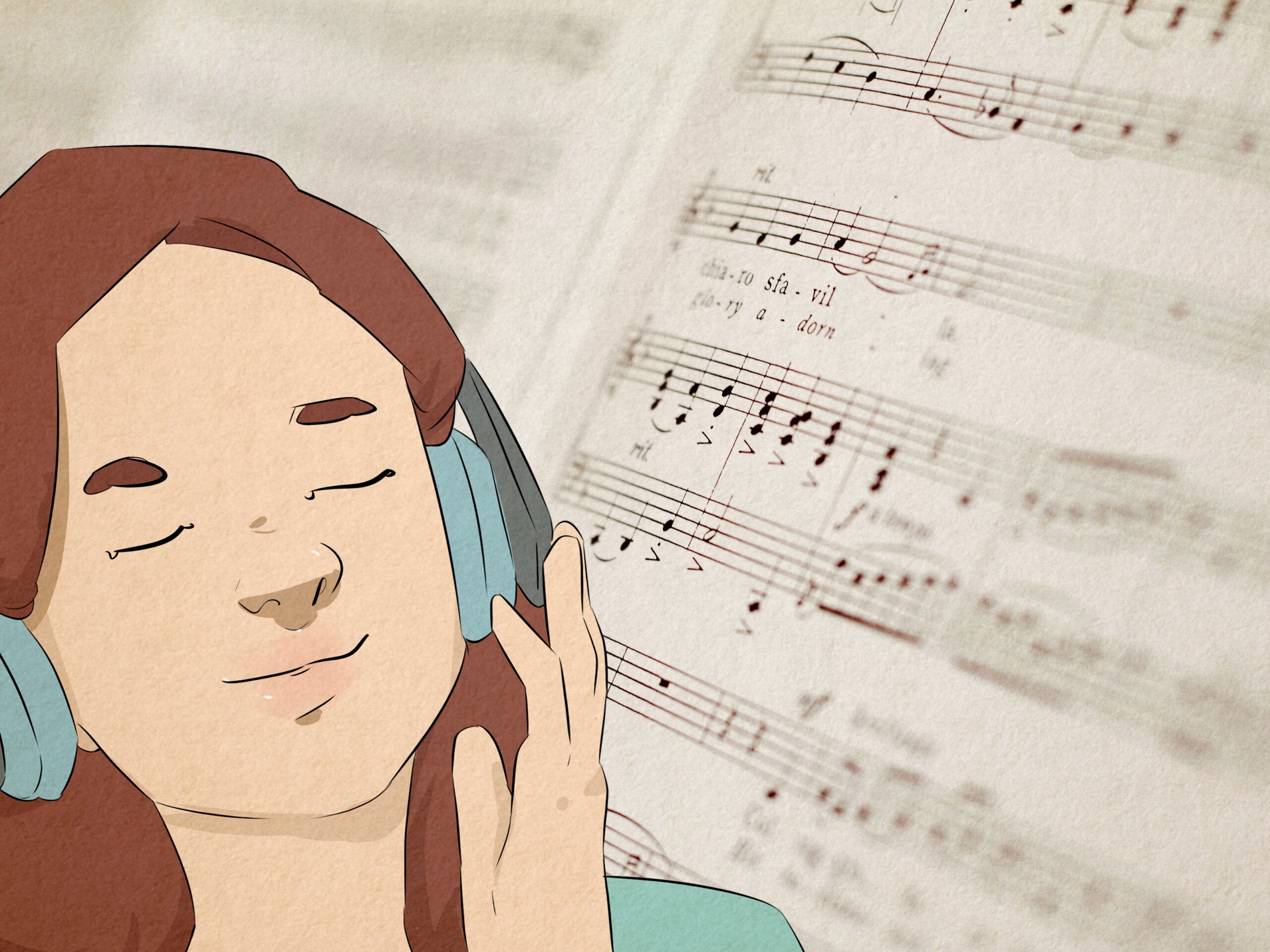
How To Listen To Music Like A Pro

How To Listen To Music The New Yorker